
About
Sources
Model
Real Time Updates
What is
PCS @ Berkeley?
Political Computer Science @ Berkeley is a club dedicated to exploring interdisciplinary work connecting the technology and political fields. Don't be fooled, we have plenty of individuals with a strong tech background and host several web development/data science project each semester, but we also have room for individuals to explore non-technical projects relating to tech policy, and even code tools to help inform others about government.
FoodWatch is one of our internally-run projects that we hope demonstrates the power of technology for social, economic, and political change by shining light on inequities and providing valuable information in order to address them.
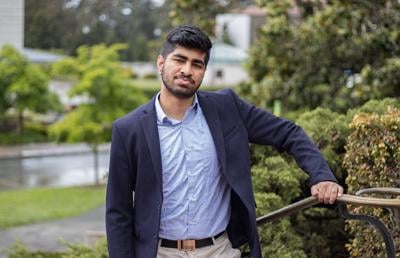
Divit Chopra
Project Lead
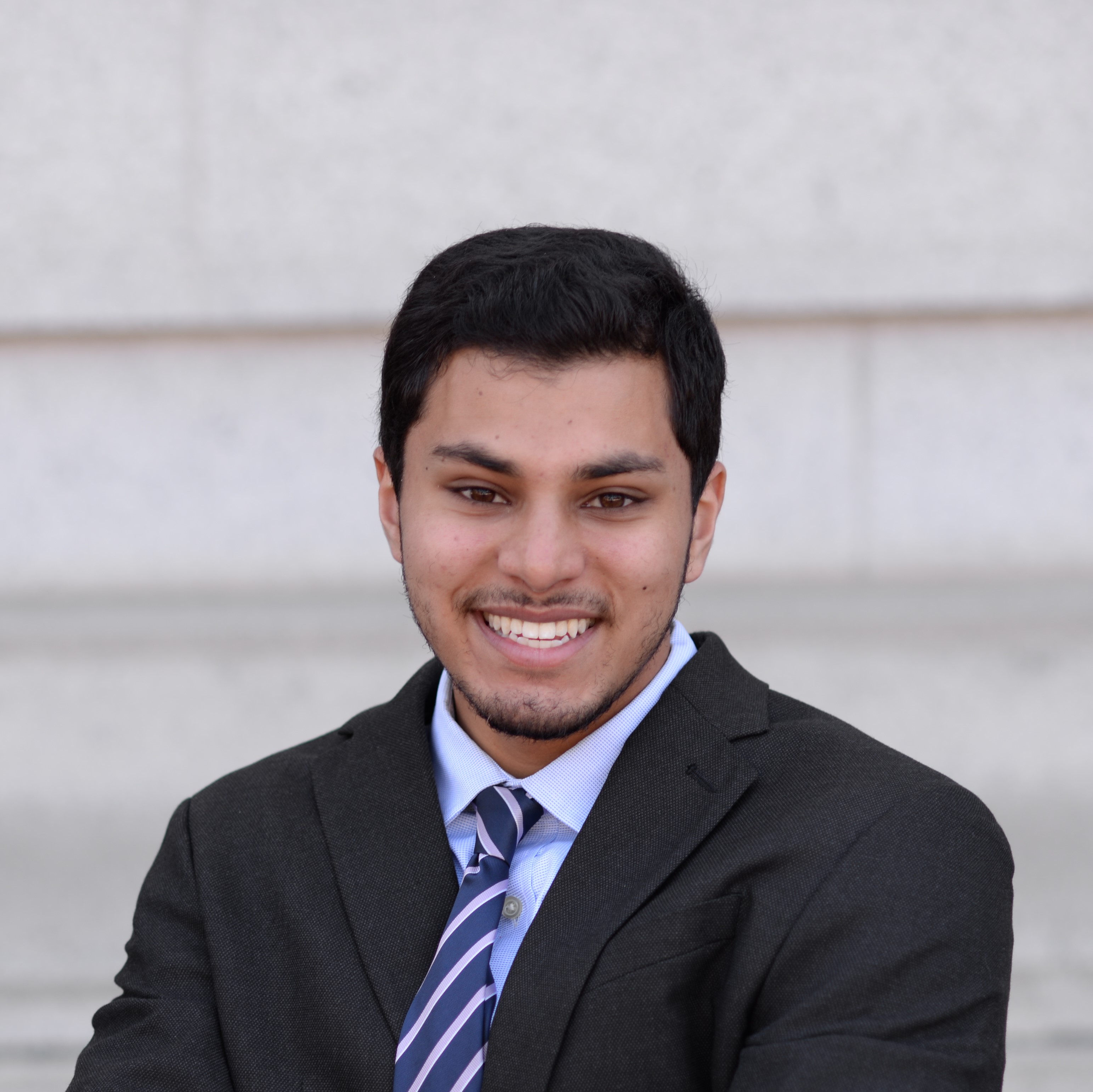
Noah Abji
Frontend Lead
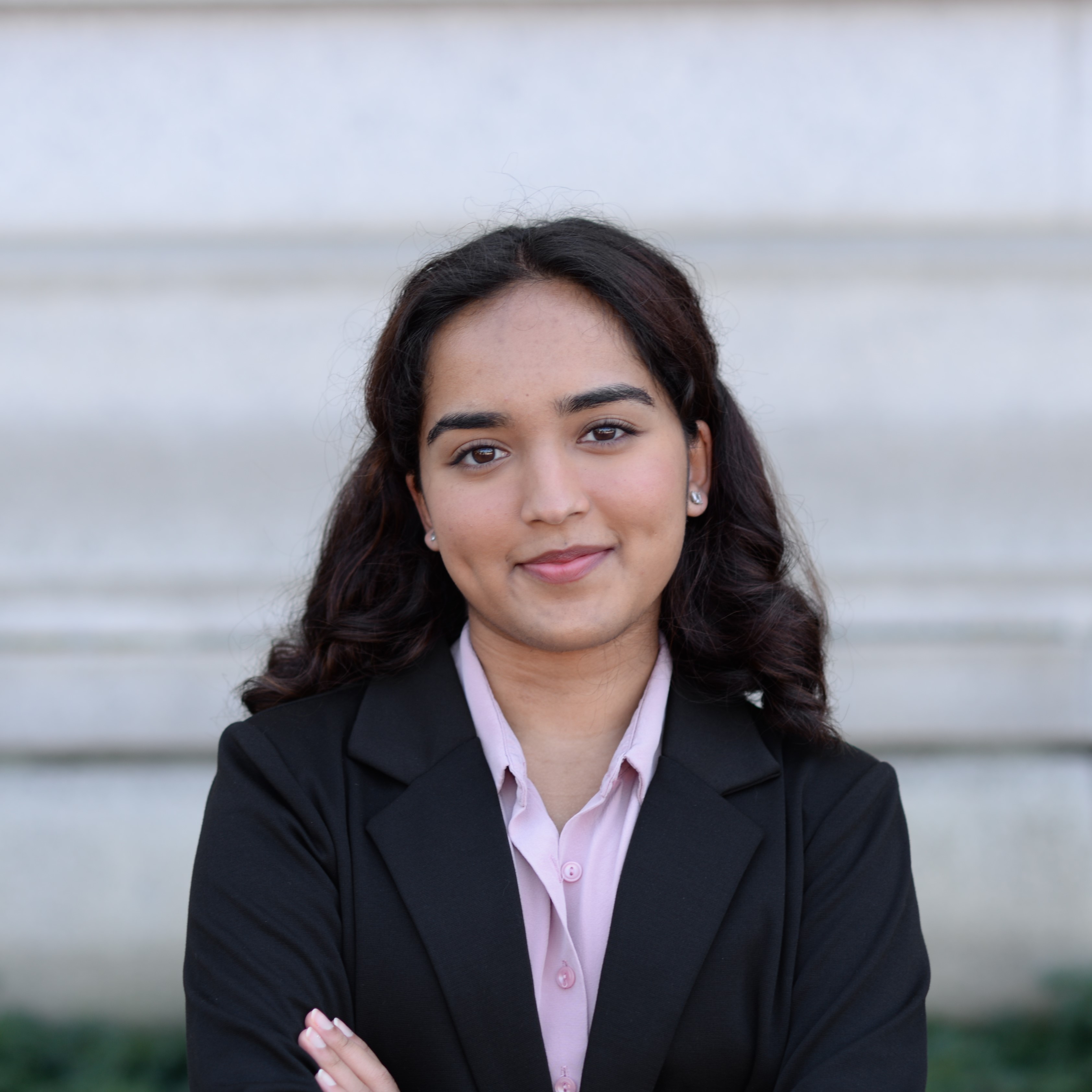
Siyona Sarma
Frontend Team

Melissa Liu
Frontend Team
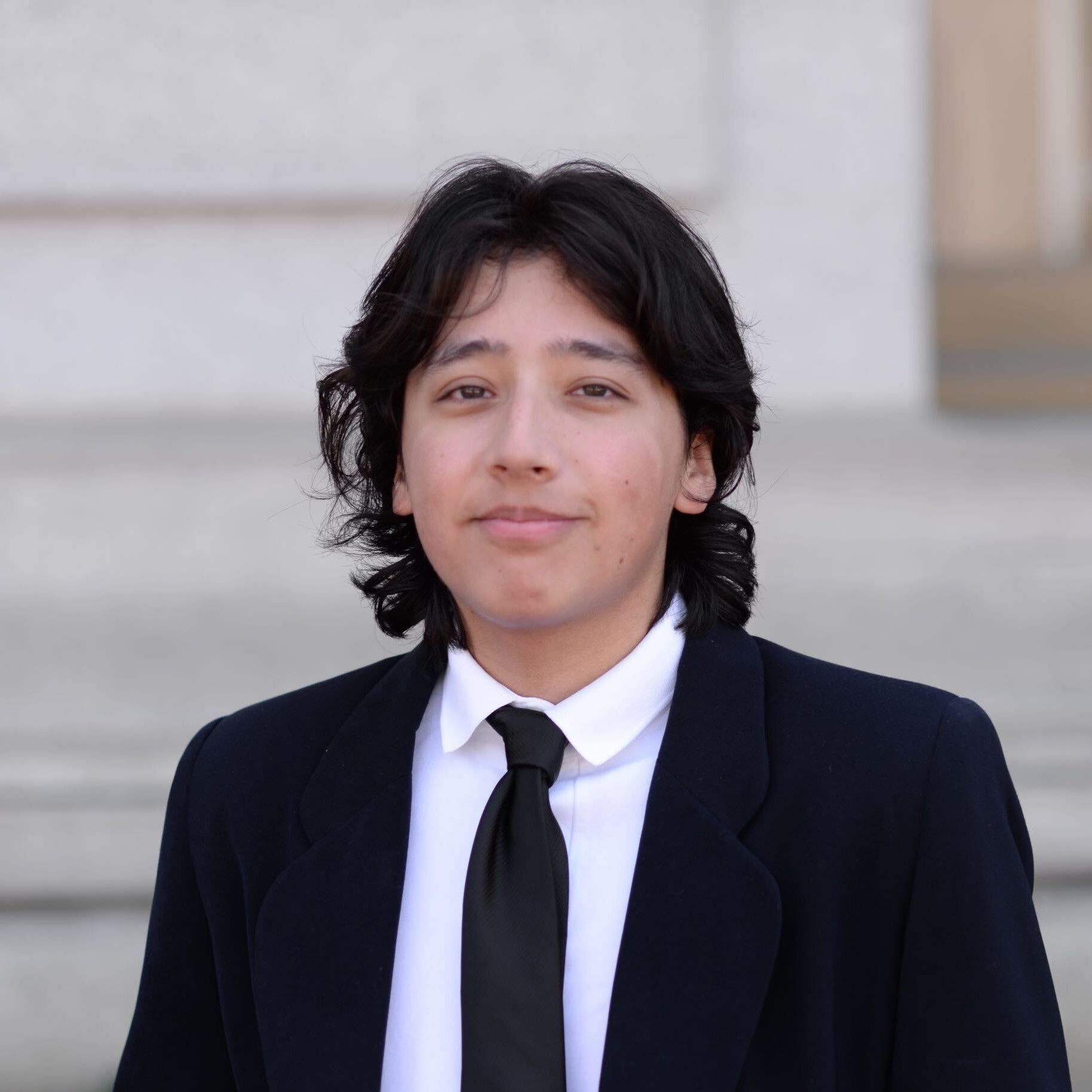
Alan Menchaca
Frontend Team
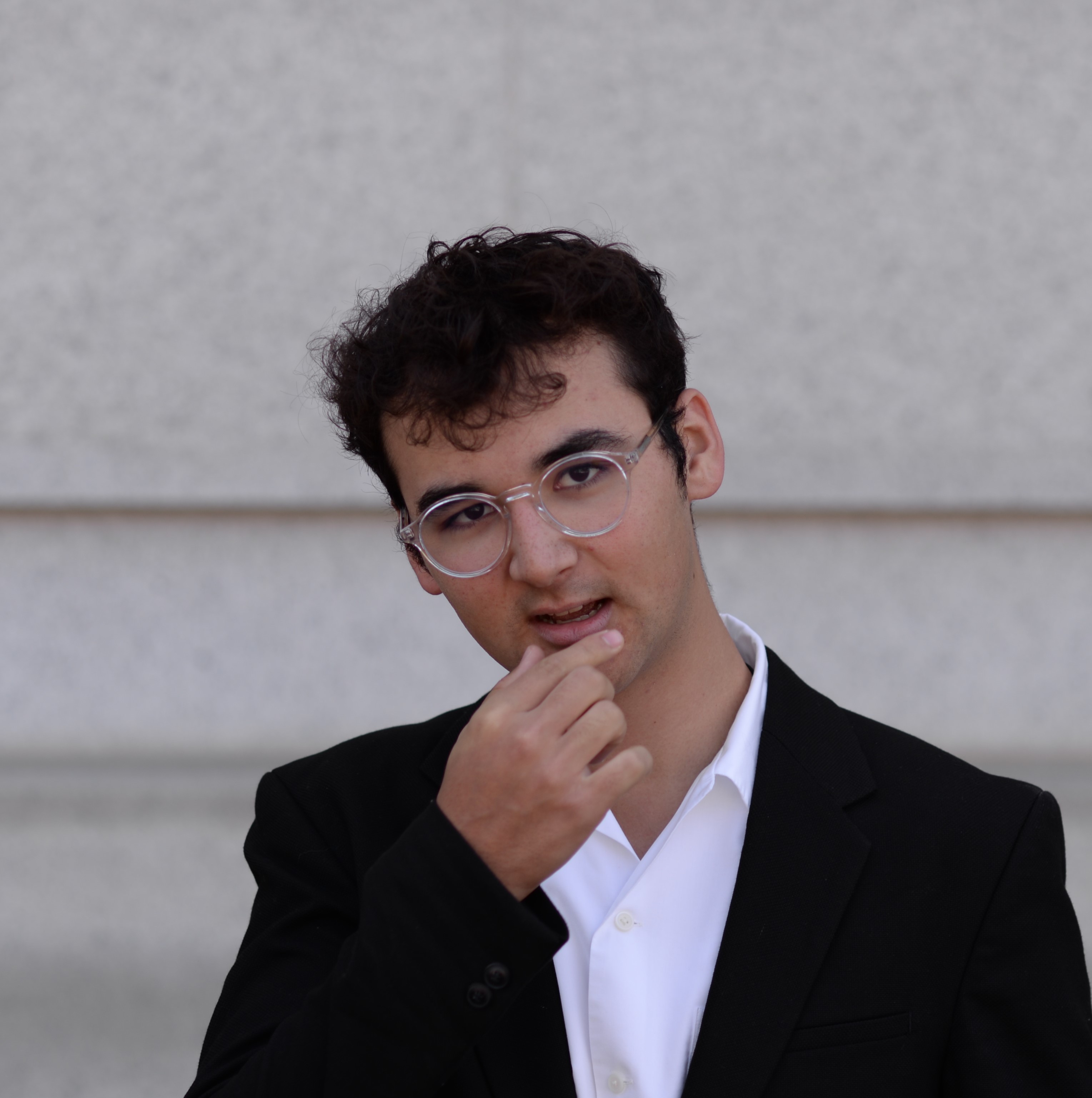
Stephen Okita
Backend Lead
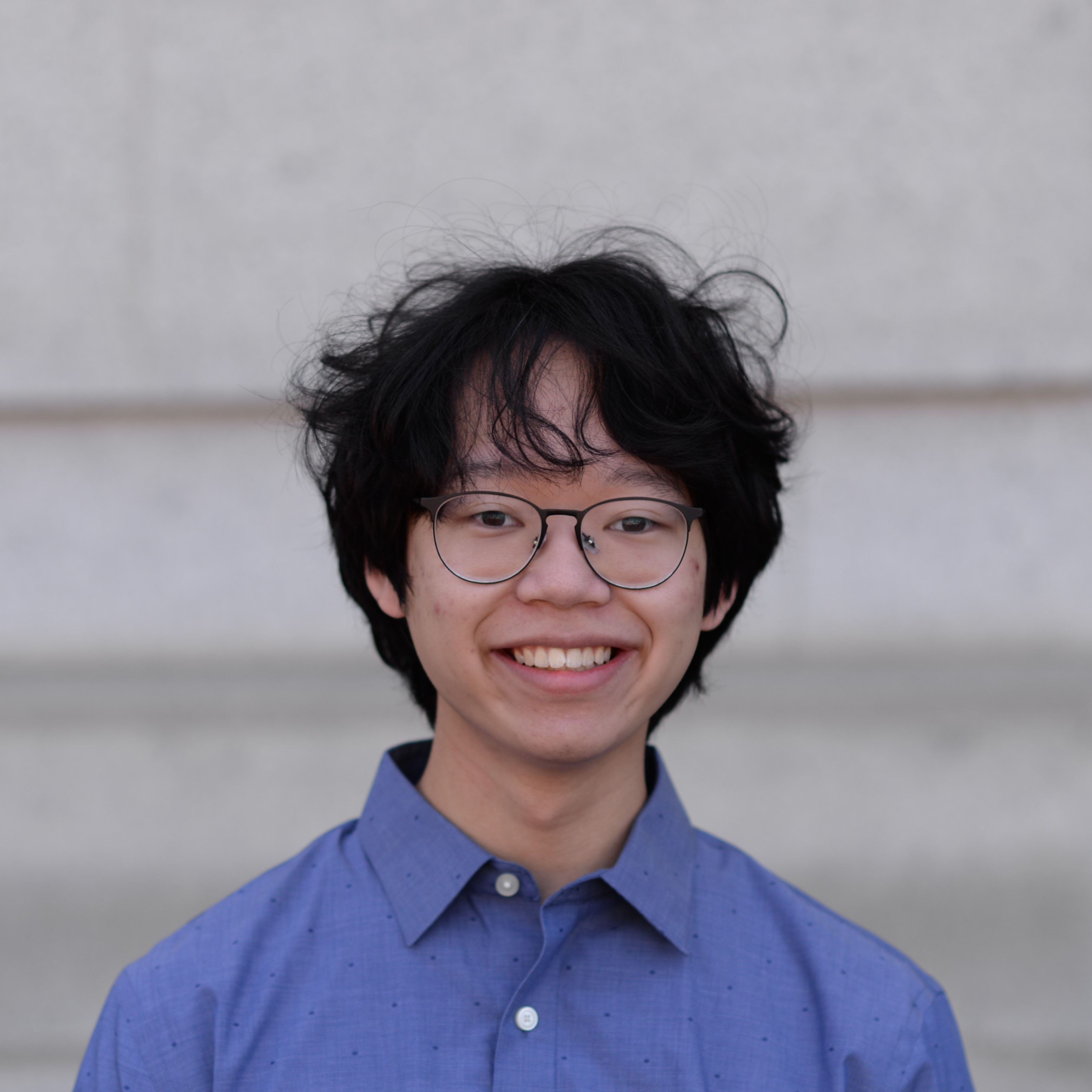
Nicholas Tran
Backend Team
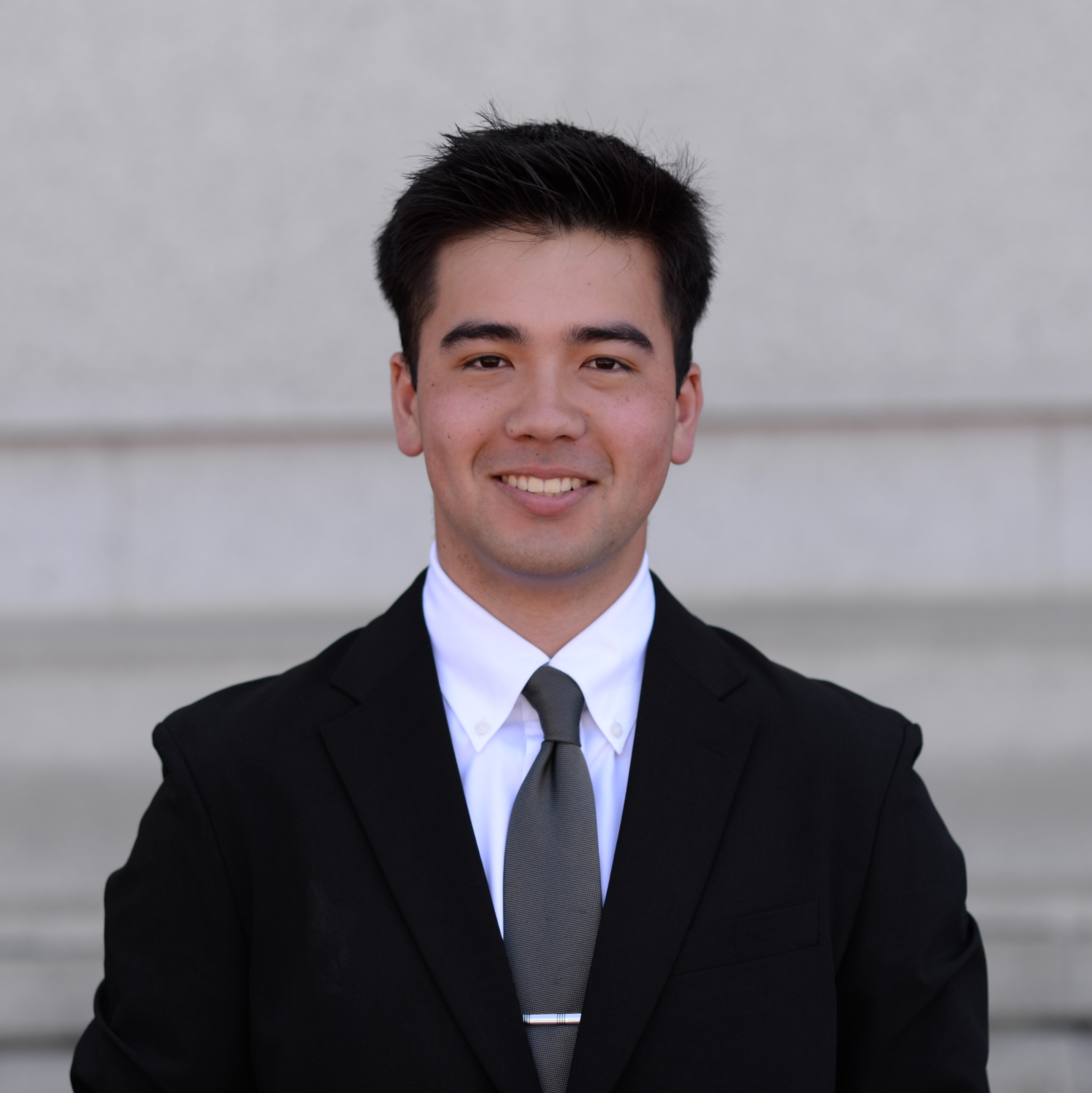
Nicholas Chae
Backend Team
Shreyas Venkat
Backend Team

Max Vink
ML Lead
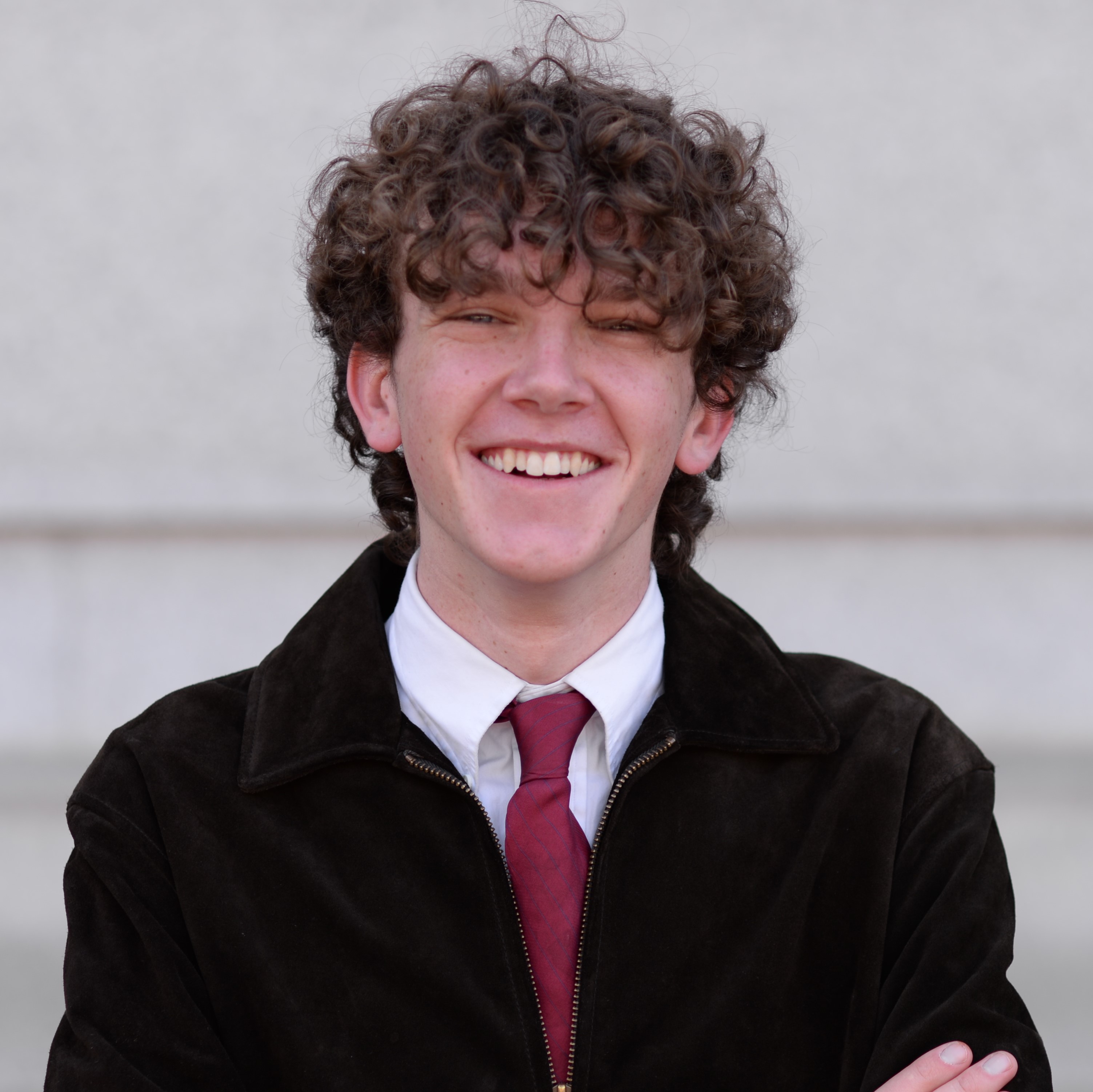
Alex Forman
ML Team
Zachary Pricz
ML Team
How Do We Define
Food Security Risk Levels?
Taken directly from the Integrated Food Security Phase Classification (IPC), food security risk levels are determined from numerous factors.
The first-level-outcomes include food consumption levels and livelihood change.
Second-level outcomes include nutritional status and mortality.
Some other contributing factors are food availability, access utilization and stability, and hazards and vulnerability. Read more about technical classifications in the IPC Technical Manual.
None/Minimal
Risk Level: 1
Description: Households are able to meet essential food and non-food needs without engaging in atypical and unsustainable strategies to access food and income
Food consumption: Adequate (2,350 kcal pp/day)
Livelihood Change: Sustainable
Nutritional Status: Minimal
Mortality: Crude Death Rate < 0.00005% / day


